Spring is certainly in the air. A lot of migrants are starting to arrive on our shores and most of the winter birds have now left. Apart from one warbler in Scotland though there aren't any full-fat lifers to go for (yet). So, with a day free I decided to head out and try and pick up a few year ticks. My site of choice was Frampton Marsh in Lincolnshire, probably one of the top reserves in the country now. It always has a good selection of birds on offer. My main targets weren't newly arrived spring migrants but two long-staying Yanks.
I got to the car park about 7.45 and after a quick coffee and a bun I started scanning for my first target.
After our very wet Winter the fields by the car park were more flooded than I have ever seen them. This attracted in lots of wildfowl including some very smart pintails.
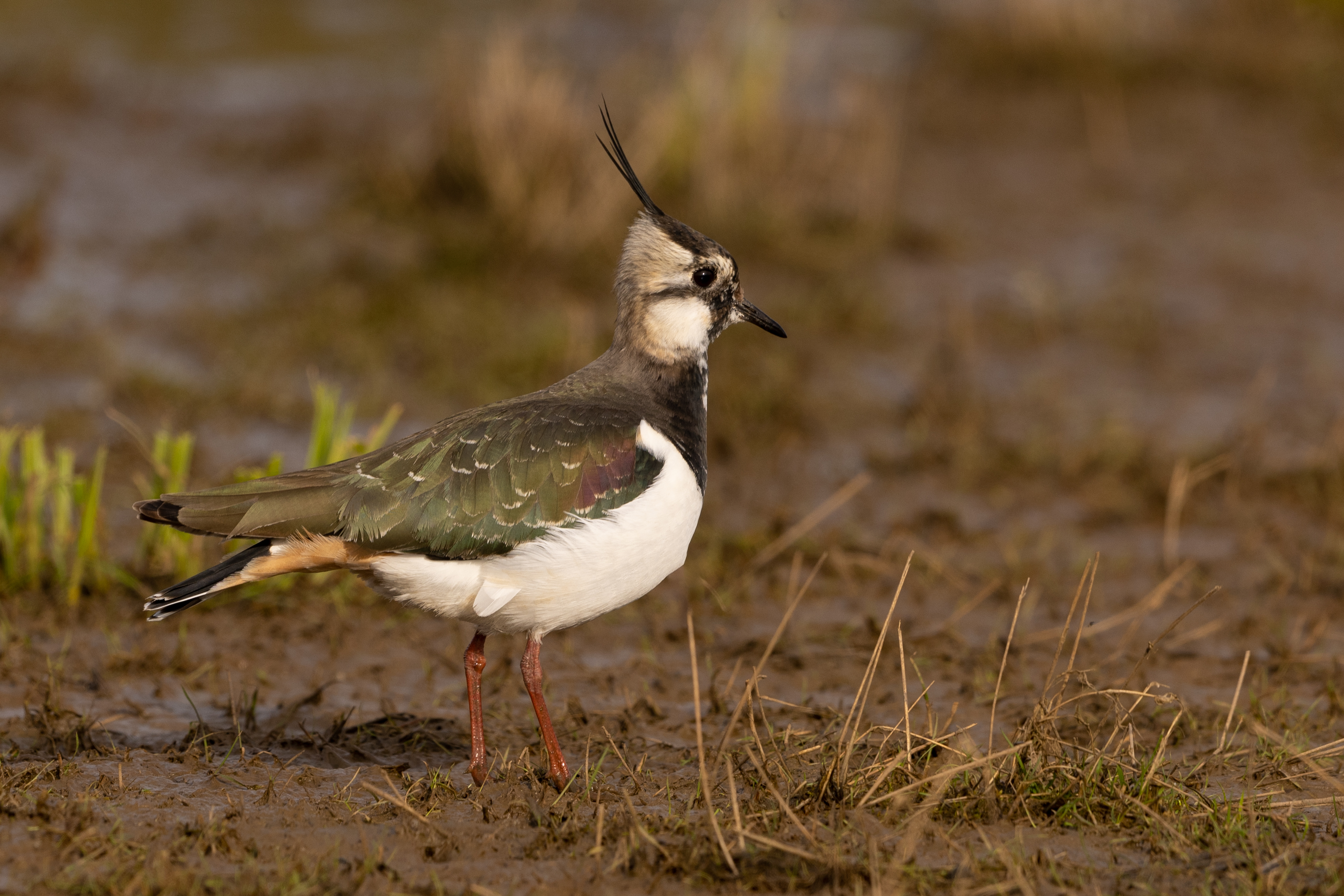
and lapwings patrolling their territories.
After 10 minutes I couldn't find my target bird so I poured myself another coffee and started to scan the back of the marsh, expecting another subliminal view of a distant bird. I glanced to my right and saw a movement by the car park fence no more than 50 feet from me.
This is the lesser yellowlegs which I had been hoping to see.
It is an American wader so is nominally totally lost. This particular bird however has made its home over here. It has been at Frampton for at least a year and I saw this exact same bird here last Spring. It has been described as showing well by the car park and it certainly didn't disappoint.
It is a medium-sized wader, a bit bigger than a redshank with a rather delicate appearance. I watched it for about 30 minutes whilst it pottered about on the wet field, probing for insects the mud.
It has a rather short bill for its size and of course it has those striking yellow legs.
Although never in anything other than low numbers over here, a few long-staying birds make this a well-watched species unlike their mega-rare cousin the great yellowlegs which would have attracted a much larger crowd.
On the next door pool was a superficially similar wader, the ruff. Short-billed, light underneath and with a mottled back they could be a confusion species.
They are a lot chunkier birds though with orange legs as well as a thicker bill with a white base.
With a beautiful Spring day developing I decided I ought to leave the car park and try the rest of the reserve. My second main target was another long-staying Yank bird. This time it was a duck, a green-winged teal. They are very similar to our Eurasian teal, separated only by a small vertical white-stripe on the flank. It has been in residence at the far end of the reserve on the grazing marsh together with a large flock of common teal. I started at the end of the main path and scanned through many dozens of sleeping teal. No sign of anything different but I was attracting some interest from nearby tufted ducks.


I decided I needed a bit better view as a lot of the teal were hidden in the grass so I headed up onto the seawall. This gave me height as well as the sun behind me so the views were much better. I slowly worked my way along until I reached the final group of about a hundred teal. Finally I got onto to my target, a male teal with a very bold vertical white-stripe. It was showing quite well. Just as I lifted my camera to start getting a few images 4 American jets from one of the nearby bases decided to come piling low across the reserve. Everything lifted off!
Despite about half the birds coming back to their original place there was no sign of the green-winged tea when they settled! That was really annoying. Two more minutes and I've have got at a half-decent shot. At least I got the bird.
I headed back the way I came, stopping along the main path to admire a small group of little-ringed plovers which seemed to be trying to set up a territory.
There were still brent geese around as well, their distinctive calls echoing around the marsh.
I did drop into the main central hide to see what was going on. With the surrounding fields so flooded there were very few birds around. Most of the godwits and dunlins were very distant but a small group of avocets did keep me amused.
Always smart and feeding in the channels they still add an air of the exotic despite now being quite common wader in many places.
I headed back to the car and was about to leave when a final good bird was found right by the visitor centre - a Russian white-fronted goose.
They are a classic winter goose and not that rare. To be around still is unusual as it should have migrated by now.
A really successful day, with 4 year ticks including the two I wanted. Takes me to 170 for the year, a bit above average but with plenty of birds still to go for. A nice rare lifer dropping in would be nice though.